There is no denying that plastic has helped, and continues to help, all our lives in some way or another. It has eased travel, revolutionised medicine and helped deliver clean drinking water to the poor. We have however become reliant on it, using it to make our lives more convenient. This would be ok if it wasn’t for the fact plastic lasts more then 450 years plus, meaning every bit of plastic ever made is still on the planet!
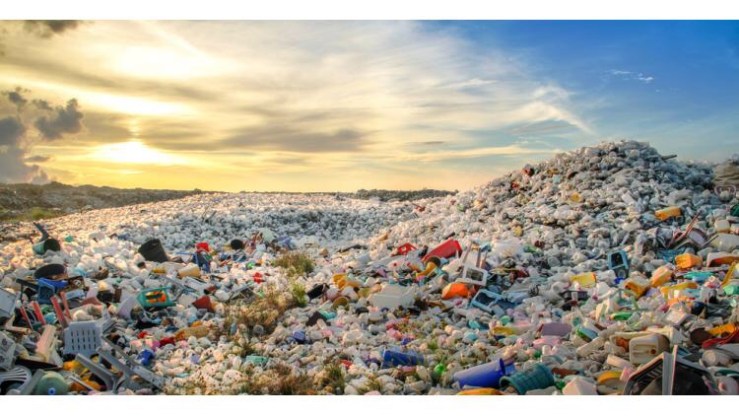
For years we have been seeing the benefit of plastic without thinking about the consequence of how to dispose of it. This means plastic is all around us, in places it was never intended to end up. Sadly 8 million tonnes of plastic is dumped in the sea every year (WWF organisation). As you can imagine this is having a huge effect on the oceans and harming the whales 🐳, dolphins 🐬, turtles 🐢, fish 🐟 and so many more marine creatures.
What about recycling I hear you say? Well I thought the same until I did some research; in 2015 more than 6.3 billion tonnes of plastic waste had been generated. Around 9 percent of that was recycled, 12 percent was incinerated, and 79 percent accumulated in landfills or environment (National Geographic). Well this certainly shows we need to recycle ♻️ more but that is not enough. We need to be using less plastic to start with!
With plastic having so many helpful uses I believe the key is being smart with where we do use it. Lets be realistic the world it not just going to stop using plastic overnight. The first step is to therefore stop ✋ using ‘single-use plastic’. More then 40% of plastic we use just once then throw it away (National Geographic). This means plastic items such as bags, straws, cutlery, food packaging… the list goes on. This is therefore where I am going to focus my initial efforts on helping the planet 🌎.
[image: Mohamed Abdulraheem]
 Footprints in the Sand